The Great Plains Nature Center sits in northeast Wichita along the Chisholm Creek corridor, surrounded by wetlands, prairie trails, and one of the most accessible urban wildlife refuges in Kansas. Staying nearby means trading downtown density for a quieter, nature-adjacent base - useful if your trip combines outdoor exploration with visits to Wichita State University, the Botanica gardens, or the east-side commercial districts along Kellogg Avenue.
What It's Like Staying Near Great Plains Nature Center
The area surrounding the Great Plains Nature Center is a low-rise, suburban-style corridor dominated by residential neighborhoods, retail strips along East 21st Street, and greenway trails that border Chisholm Creek Park. No hotel sits directly on the Nature Center's doorstep - most options cluster along the northeast Wichita lodging belt, roughly 4 to 6 kilometers from the trailheads. Car access is essentially mandatory here; walkability scores in this zone are low, and public transit coverage is minimal outside of peak weekday hours.
The atmosphere is calm and uncrowded compared to downtown Wichita, making it a practical base for early-morning wildlife walks or multi-day stays that include WSU campus visits and east-side dining. Around 80% of visitors to the Nature Center arrive by personal vehicle, and most nearby hotels offer free parking - a real logistical advantage over downtown properties.
Pros:
Free parking is standard at nearly all nearby hotels, eliminating a daily cost that downtown stays often charge
Low ambient noise and minimal foot traffic make for genuinely restful overnight stays
Proximity to Chisholm Creek Park means trail access within a short drive, useful for early-morning visits before crowds arrive
Cons:
No walkable restaurant strip near the Nature Center; dining requires driving to the Kellogg Avenue corridor or east Wichita retail areas
Public transit from this zone to downtown Wichita is slow and infrequent, adding friction for car-free travelers
The area lacks evening atmosphere - after dark, the neighborhood is quiet to the point of being isolated
Why Choose Exceptional Design Hotels Near Great Plains Nature Center
Design-focused hotels in the Wichita market tend to concentrate either in the Old Town entertainment district or along the northeast lodging corridor near WSU and the Nature Center. Near the Nature Center specifically, the design hotel offer skews toward lifestyle brands - properties with distinct architectural identities, curated common areas, and rooms that go beyond the standard mid-scale formula. Rates in this category typically run around 20% higher than comparable standard 3-star hotels in the same zone, but the gap narrows significantly when you factor in included amenities like breakfast, fitness centers, and business facilities.
Room sizes at design hotels in northeast Wichita are generally more generous than downtown equivalents, and the absence of convention center overflow crowds means availability is more predictable. The Aloft brand represents the clearest design identity in this corridor - with a social lounge concept and pool setup that generic chain hotels in the area don't replicate.
Pros:
Distinctive common areas and branded design concepts that differ meaningfully from standard roadside chains in the same price band
Generally larger room footprints with better-specified furnishings compared to budget-tier properties nearby
On-site bars and social lounges reduce the need to drive out for evening drinks
Cons:
Premium design properties in this area still lack the walkable neighborhood context that makes urban design hotels compelling - you're paying for aesthetics without the street-life payoff
Seasonal outdoor pool access is limited to warmer months, reducing one of the key differentiating amenities
Fewer design hotel options exist in the immediate Nature Center vicinity compared to downtown Wichita, limiting choice
Practical Booking & Area Strategy
The most strategically located hotels for Great Plains Nature Center access sit along the East 21st Street North corridor and near the intersection of North Rock Road and East Kellogg - both within a 10-minute drive of the Nature Center's main entrance on North Woodlawn Boulevard. Properties on the downtown end of the spectrum, near Douglas Avenue and Broadway, add around 15 minutes of driving time each way but open up walkable access to Old Town bars, the Century II Convention Center, and the Keeper of the Plains riverfront.
Wichita's tourism peaks in late spring and early fall when the Nature Center's Chisholm Creek trails and migratory bird activity draw the most visitors - book at least 3 weeks ahead if traveling in April, May, or October. The Sedgwick County Zoo and Botanica Wichita are both within 15 minutes by car, making northeast Wichita a practical base for multi-attraction itineraries. Night-time safety in this corridor is not a concern; the area is quiet suburban Wichita with low pedestrian crime metrics.
Best Value Stays
These properties deliver the strongest combination of location practicality, included amenities, and price point for travelers prioritizing access to the Nature Center and east Wichita without paying a premium rate.
-
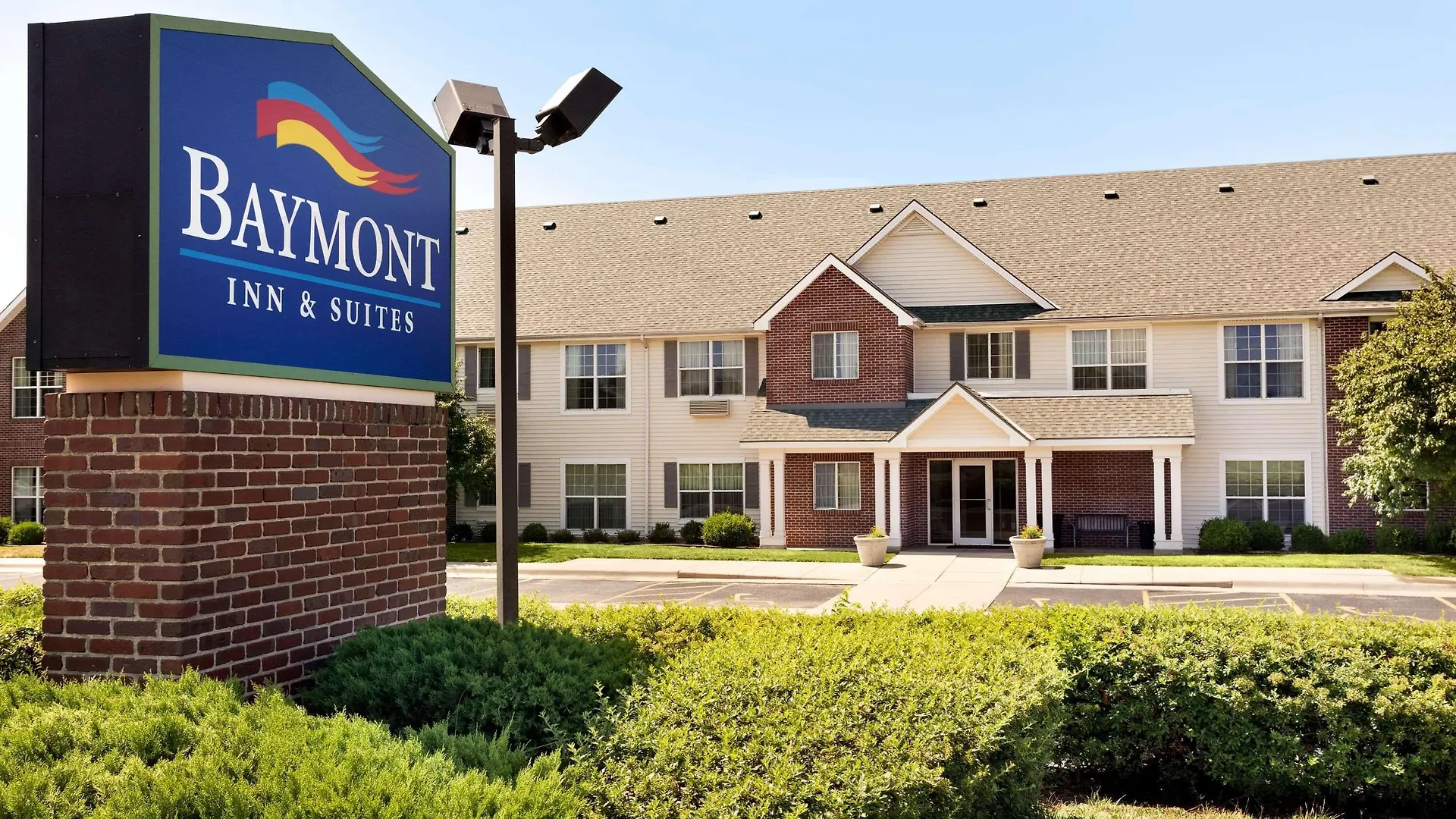
1. Baymont By Wyndham Wichita East
Show on map


 Check-infrom 15:00 until 23:59Check-outuntil 12:00
Just a few rooms left at the best rate!
fromUS$ 87
-
2. Aloft By Marriott Wichita
Show on map


 Check-infrom 15:00 until 23:59Check-outuntil 12:00
Just a few rooms left at the best rate!
fromUS$ 132
Best Premium Stays
These hotels sit at the upper end of the Wichita market, offering larger facilities, more polished food and beverage programs, and stronger brand positioning - suited to travelers who want a more complete on-site experience alongside their Nature Center visit.
-
3. Hotel At Old Town
Show on map


 Check-infrom 15:00 until 23:59Check-outuntil 12:00
Hurry – almost gone at this price!
fromUS$ 159
-
4. Hyatt Regency Wichita
Show on map


 Check-infrom 15:00 until 23:59Check-outuntil 11:00
Hurry – almost gone at this price!
fromUS$ 99
-
5. Wichita Marriott
Show on map


 Check-infrom 16:00 until 23:59Check-outuntil 11:00
Rooms filling fast – secure the best rate!
fromUS$ 110
Smart Timing & Booking Advice for Great Plains Nature Center Visits
The Great Plains Nature Center draws its highest attendance during spring migration season - roughly mid-April through late May - when shorebirds, warblers, and raptors move through the Chisholm Creek wetlands in visible numbers. Hotel rates in northeast Wichita during this window climb by around 15% compared to winter lows, and weekend availability tightens faster than weekdays. Early October is the second peak, coinciding with fall raptor migration and the cooler trail conditions that attract both birders and casual hikers.
For budget-conscious travelers, January through early March offers the lowest rates and the fewest crowds, though the Nature Center's outdoor programming is limited and some trail areas may be muddy or inaccessible after rain. Wichita's weather between June and August is hot enough that a hotel with a functioning pool - indoor or outdoor - becomes a practical priority rather than a luxury. Book at least 4 weeks in advance for spring or fall visits if you want the northeast Wichita corridor properties; last-minute availability dries up faster here than downtown because the inventory of quality hotels in this zone is smaller overall.